
One in four company collapses is a builder. Here's what Victoria's Home Warranty insurance covers, the gap small jobs fall into, and 6 questions to ask before paying a deposit.
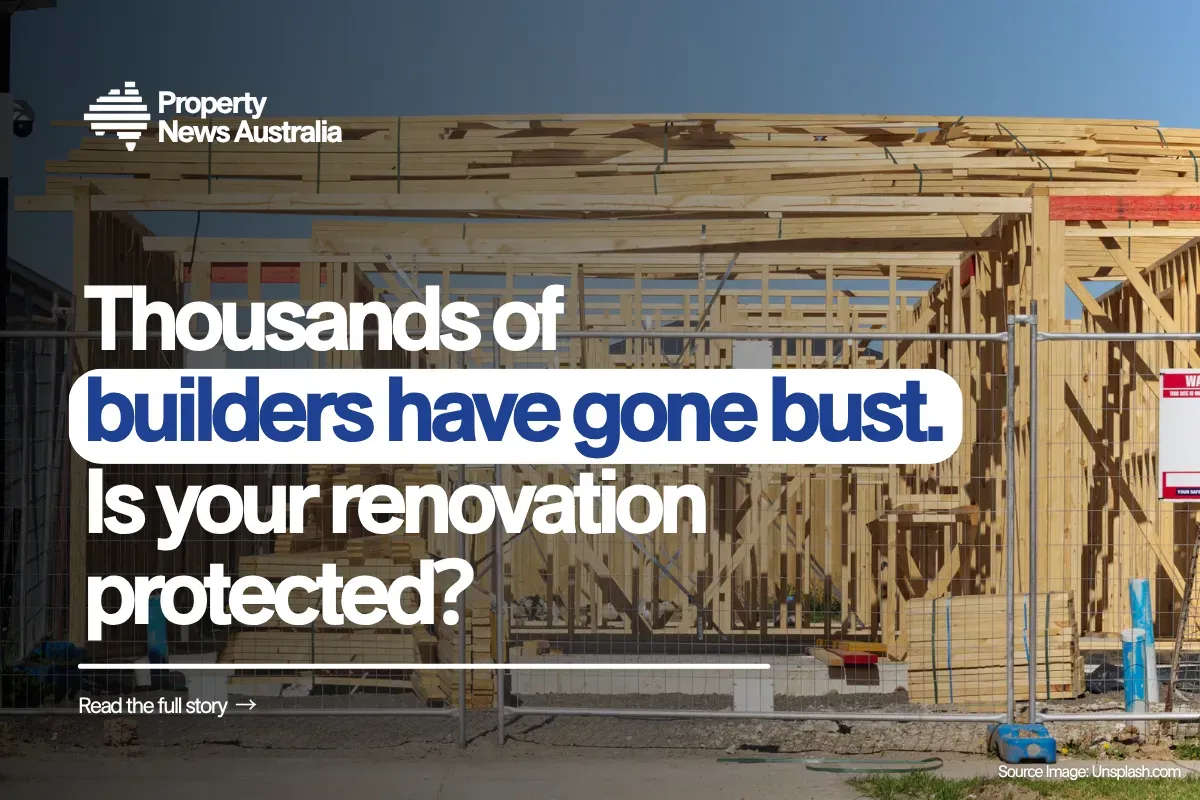
One in four Australian companies that collapsed last financial year was a builder, and experts warn more could follow. Here's what Victoria's new Home Warranty insurance covers if your builder can't finish the job.
You've signed the contract. The deposit's paid. The kitchen is ripped out.
Then your builder stops answering the phone.
For thousands of Australians, that's not a nightmare. It's what happened this year.
Here's what the numbers show, and what protection Victorian renovators have if it happens to them.

In the year to 30 June 2026, 3,472 Australian construction companies went bust.
That's 24.5% of all company collapses in the country, according to research published by the ABC.
The number was slightly down on the year before. But building is still the industry where the most companies fail.
The biggest recent collapse was Sydney developer Bathla Group. It went into voluntary administration in August owing about $3.4 billion, leaving more than 2,000 apartments in limbo.

Costs keep jumping. Many builders sign fixed-price contracts. When materials and labour cost more than expected, the builder has to cover the gap.
Researchers writing for the ABC say that's been a major cause of builder collapses since COVID.
A second wave may be coming. In October, API Magazine warned that rising costs, fixed-price contracts and a shortage of workers are setting up a second wave of builder collapses.
When a builder goes under, it can leave tradies unpaid, jobs unfinished and clients waiting.

On 1 July 2026, Victoria changed the rules.
The old Domestic Building Insurance only paid out as a last resort, if a builder went broke, died or disappeared.
According to Consumer Affairs Victoria, the new Home Warranty insurance is a "first resort" scheme run by the Building and Plumbing Commission.
Permits, DIY electrical work, asbestos, inspections, contracts and flip tax. We check 6 common renovation and flipping myths against official sources.
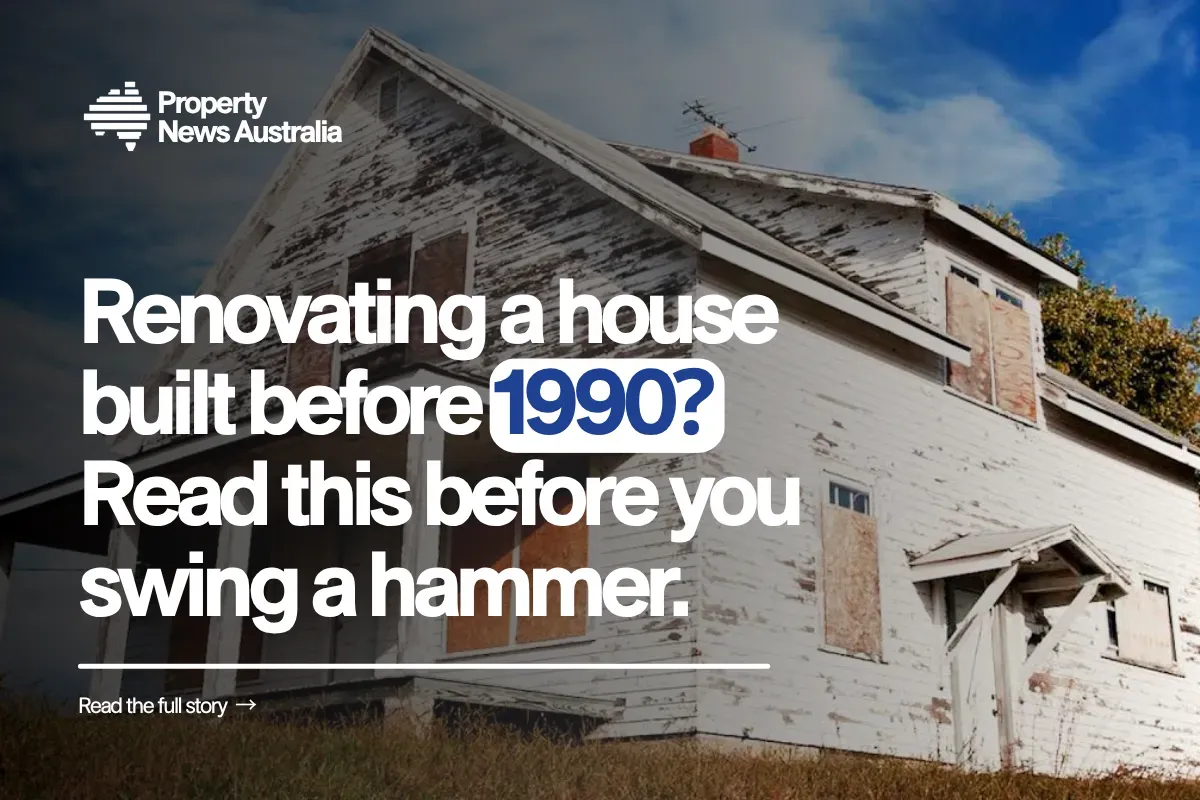
Many homes built before 1990 contain asbestos. It's usually safe left alone, but risky once disturbed. Here's where it hides, who can remove it, and what to check first.
When it applies. Your builder takes out the insurance for you after you sign the contract. It applies when the work is worth more than $20,000 and the home is three storeys or less.
You should get a notice of cover after you sign.
What it covers. Work that's unfinished, faulty or doesn't meet the rules. You may be able to claim if your builder can't or won't finish or fix the work after you ask them to.
How much. Repairs up to $400,000. Structural faults are covered for 6 years and other faults for 2 years.
It also covers 5% of your deposit, plus accommodation, removal and storage costs if delays or faulty work cost you extra.
Older contracts. If your insurance certificate was issued before 1 July 2026, the old Domestic Building Insurance still applies.
Builders don't need Home Warranty insurance for jobs under $20,000.
Renovations are often split into smaller jobs with different trades. A job under that limit isn't covered by the scheme.
If a builder on a smaller job goes into administration, Consumer Affairs Victoria says customers can lodge a claim as an unsecured creditor. If you paid by credit card, you can ask your card provider about a chargeback.
Deposits are capped. For projects over $20,000, the Building and Plumbing Commission says deposits must not be more than 5%.
A builder in voluntary administration isn't always broke. Some keep working.
Consumer Affairs Victoria says administrators may ask customers to agree to a higher price or other contract changes so the job can be finished.
Customers don't have to accept, and Consumer Affairs Victoria recommends getting financial and legal advice first.
Watch the clock. If your builder becomes insolvent, claims must be made within 180 days of finding out, according to Consumer Affairs Victoria.

This article is general information only. It isn't financial, tax or legal advice. Talk to a licensed professional about your own situation.
Builders are still going under at a high rate, and the warning signs point to more.
Victoria's new Home Warranty insurance gives renovators more cover than before. But it only helps if the job qualifies and the paperwork is in place.
The best time to check is before the first dollar changes hands.
A building inspection is a visual check with limits. Here's what it covers, what it often misses, and why timing matters at auction versus a private sale.