
Many homes built before 1990 contain asbestos. It's usually safe left alone, but risky once disturbed. Here's where it hides, who can remove it, and what to check first.
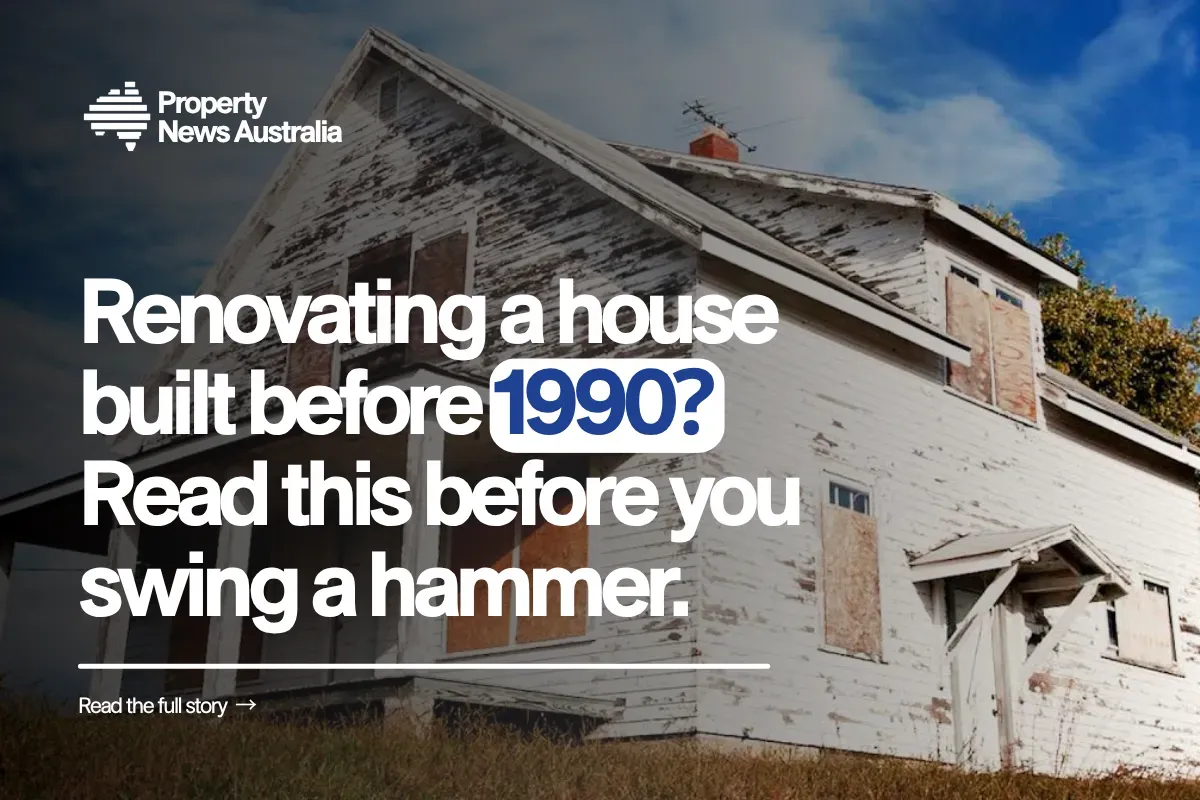
Many older Australian homes still contain asbestos. Left alone, it's usually safe. But the moment you drill, cut, sand or knock out a wall, it can become a serious health risk. Here's what every renovator should know first.
Older houses are a renovator's bread and butter.
Solid bones. Big blocks. Plenty of potential.
But many of them share something you can't see.
Asbestos.
It was used in thousands of building products before it was banned in Australia at the end of 2003. And it's still sitting in many homes today.

Asbestos Victoria gives a simple guide based on when a home was built or renovated.
When the home was built or renovated | Chance it contains asbestos |
|---|---|
Before the mid-1980s | Highly likely |
Mid-1980s to 1990 | Likely |
After 1990 | Unlikely |
It also says that if you know or suspect a material was installed before 1990, it's safest to assume it contains asbestos.
A newer extension on an older house doesn't make the original parts safe. The age of each part matters.

It's not just in one place. The national Asbestos Safety and Eradication Agency lists common spots.
Inside: wall and ceiling panels, especially in wet areas like the bathroom, kitchen, toilet and laundry.
Outside: roof sheeting, gutters, downpipes and the lining under the eaves.
Around the block:
Permits, DIY electrical work, asbestos, inspections, contracts and flip tax. We check 6 common renovation and flipping myths against official sources.
One in four company collapses is a builder. Here's what Victoria's Home Warranty insurance covers, the gap small jobs fall into, and 6 questions to ask before paying a deposit.
Asbestos is generally safe if it's left undisturbed and in good condition.
The risk comes when it's damaged. Drilling, cutting, sanding, breaking or pressure-washing can release tiny fibres into the air.
Breathing in those fibres can cause serious illness, and Asbestos Victoria warns there is no known safe level of exposure.
That's why even a small job, like drilling into a wall to hang a shelf, is worth thinking about first.

Asbestos Victoria says that in most circumstances, the law requires a licensed asbestos removalist to deal with asbestos in a home.
It strongly recommends using one in all cases, because of the health risks.
Licensed removalists can be found through WorkSafe Victoria.
They'll also take care of disposal. Asbestos waste can only go to specific landfills, and it has to be double-wrapped and sealed.
You can't tell if something contains asbestos just by looking at it.
Asbestos Victoria says that if you need to be certain, have the material tested.
Testing can be arranged through an occupational hygienist or a licensed removalist, using a laboratory accredited by NATA (the National Association of Testing Authorities).
Until then, its golden rule is simple: if you think it might be asbestos, treat it like it is.

Check before the demolition starts. Knowing where asbestos is before the first wall comes down avoids nasty surprises mid-job.
Build it into the plan. Testing and licensed removal take time. On an older house, it's part of the job, not an extra.
Look after the trades. Asbestos Victoria says tradies are at a higher risk of exposure than most people. Telling them what's known about a house protects everyone on site.
Don't forget the yard. Old fences, sheds and carports can contain asbestos too, not just the house itself.
This article is general information only. It isn't financial, tax, legal or medical advice. Talk to a licensed professional about your own situation.
Asbestos is part of renovating older homes.
Left alone, it's usually not a problem. Disturbed without care, it can be.
Before you swing a hammer on a house built before 1990, find out what's in the walls.
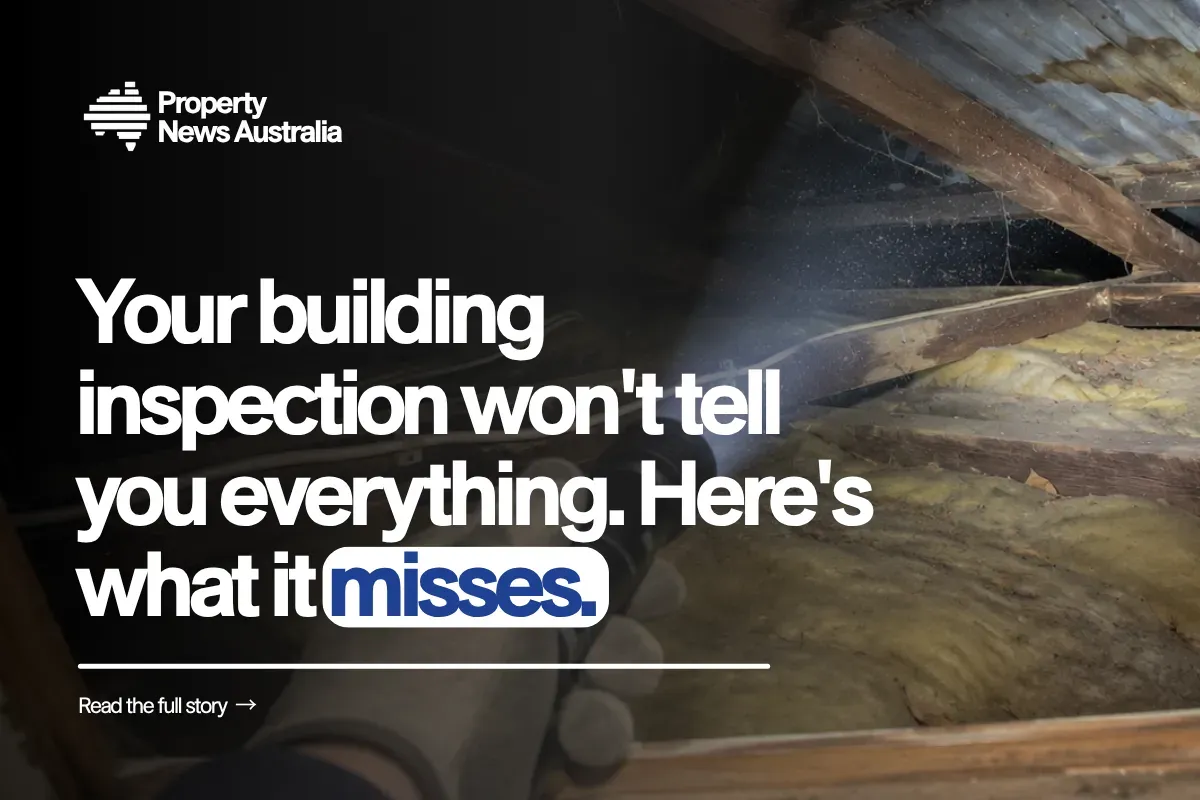
A building inspection is a visual check with limits. Here's what it covers, what it often misses, and why timing matters at auction versus a private sale.