
A building inspection is a visual check with limits. Here's what it covers, what it often misses, and why timing matters at auction versus a private sale.
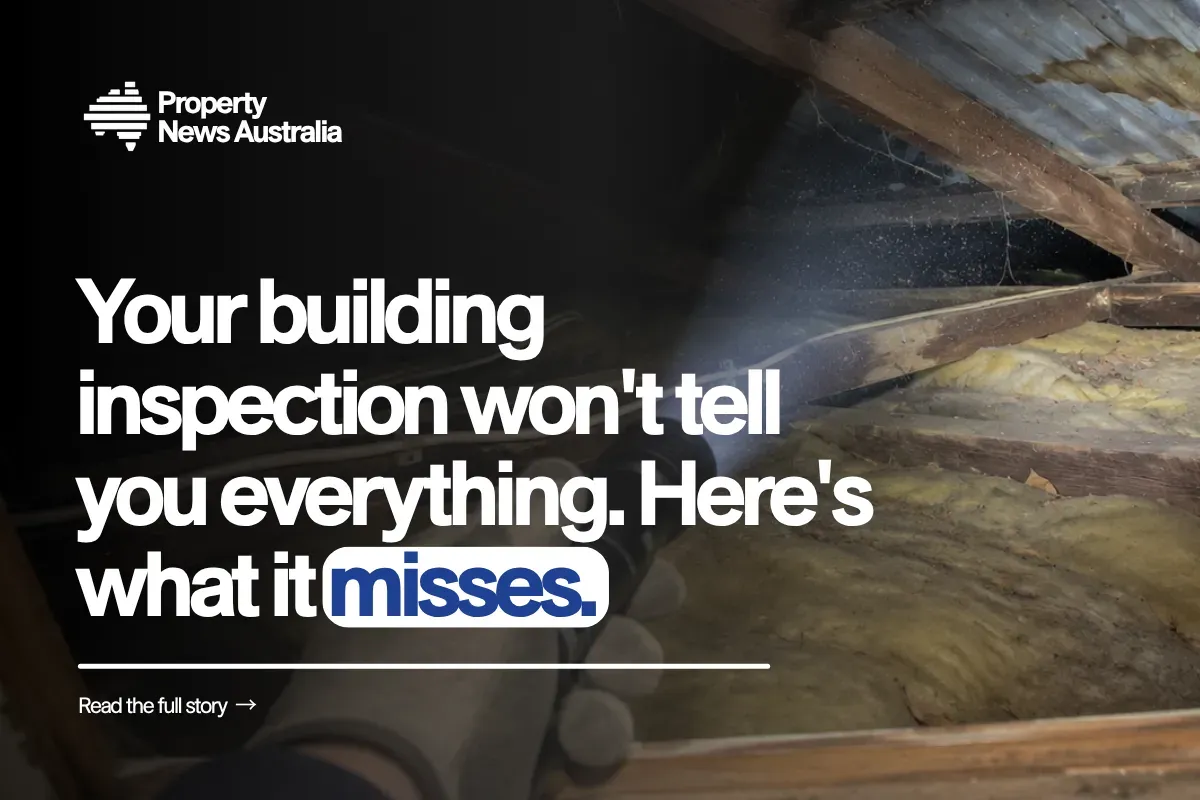
A building inspection is one of the most important reports you'll read before buying a renovator. But it's a visual check with clear limits. Here's what it covers, what it doesn't, and why timing matters.
You've found the house.
It needs work. That's the point.
So you book a building inspection, read the summary, and feel ready to go.
But a building inspection isn't an X-ray. And the gaps in the report can matter as much as what's in it.

Consumer Affairs Victoria says buyers should consider getting an independent, qualified building inspector, surveyor or architect to inspect a home before signing a contract.
It says a written report can list the property's faults, whether they can be fixed, and roughly what repairs may cost.
Most inspectors work to the Australian Standard for pre-purchase inspections, AS 4349.1. It's a visual inspection of the parts of the house the inspector can safely see and reach.

Because it's visual, some things are usually out of scope.
Behind walls and under floors. If it's covered up, the inspector generally can't see it.
Areas they can't get to. A blocked roof space, a tight subfloor or a locked shed may be left out. Good reports say which areas weren't inspected.
Asbestos. The national Asbestos Safety and Eradication Agency says pre-purchase building inspections may not cover asbestos.
Termites. Timber pests are usually covered by a separate pest inspection.
Rules and compliance. A standard inspection isn't a check that past work was approved or meets current building rules.
Inspectors say the Australian Standard itself lists dozens of items that aren't included. It's worth reading the limitations section, not just the summary.

Permits, DIY electrical work, asbestos, inspections, contracts and flip tax. We check 6 common renovation and flipping myths against official sources.
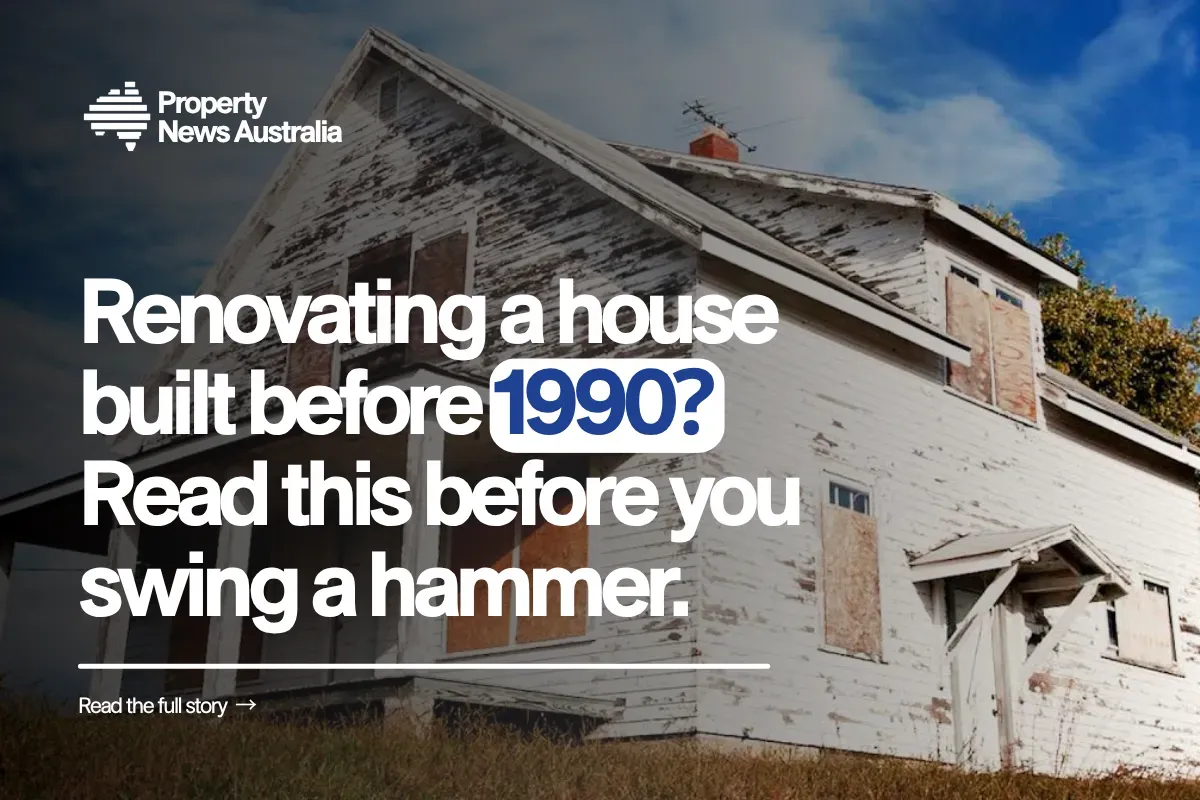
Many homes built before 1990 contain asbestos. It's usually safe left alone, but risky once disturbed. Here's where it hides, who can remove it, and what to check first.
A building inspection looks at the structure and condition of the house.
A pest inspection looks for termites, borers and timber decay.
Many inspectors offer both in one visit. But they're different reports, so it's worth checking which one you're actually getting.
The Victorian Government's buying guide suggests a pest inspection if you're buying in a termite-prone area.

When you get the report matters as much as what's in it.
Question | Private sale | Auction |
|---|---|---|
Can the contract depend on an inspection? | Yes, if it's written into the contract | Not without the seller's agreement |
Cooling-off period? | Yes, 3 clear business days | No |
When to get the report | Before signing, or as a contract condition | Before auction day |
Private sale. Consumer Affairs Victoria says a contract can be made subject to a successful building or pest inspection. Private sales of homes also come with a cooling-off period of three clear business days.
Auction. You can't put conditions on an auction contract without the seller's agreement, and there's no cooling-off period. Consumer Affairs Victoria says to get the building and pest reports before auction day.
Independent. Consumer Affairs Victoria suggests using an inspector who is independent of the sale.
Insured. It also suggests using an inspection service with full professional indemnity insurance, which can protect you if the inspection misses a problem.
The report is a starting point. For a renovator, the defects list is a first look at the scope of work, not the final word.
The gaps are part of the picture. Areas that couldn't be inspected are worth noting before you make an offer.
Older homes need extra checks. On a house built before 1990, an asbestos assessment is a separate step. Consumer Affairs Victoria lists it as a possible cost when planning to buy.
Read the whole thing. The detail is often in the sections after the summary.
This article is general information only. It isn't financial, tax or legal advice. Talk to a licensed professional about your own situation.
A building inspection is one of the best tools a buyer has.
But it's a visual check, with limits.
Know what's in it, what's not, and get it at the right time.
Victoria now rates flood risk on five levels, from low to extreme. Here's what each level means for building and renovating, and why insurers are watching closely.